
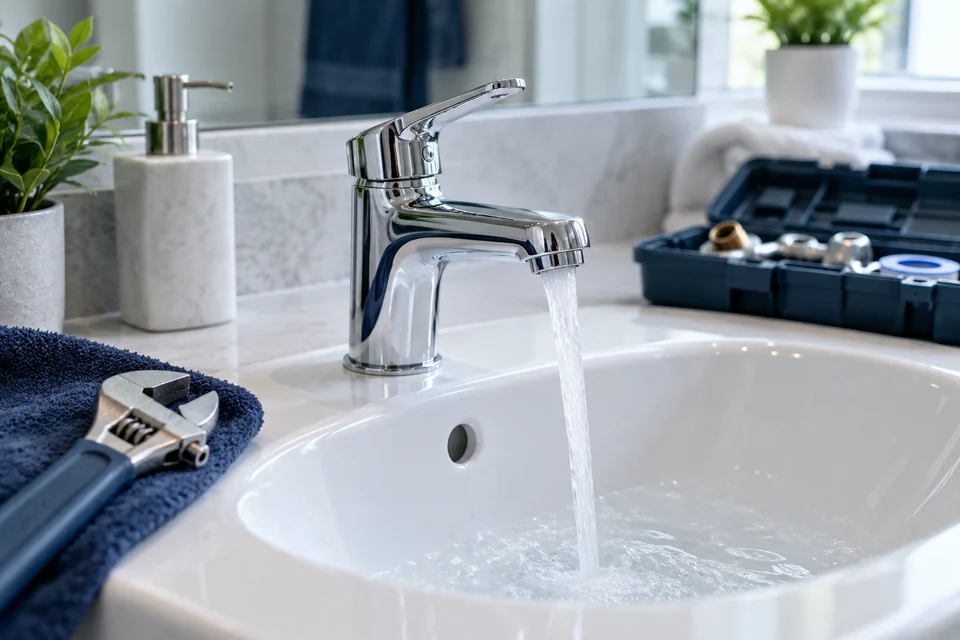
New bathroom fixtures can change the feel of a room without changing its footprint. A comfortable faucet, a better-fitting toilet, or shower controls you enjoy using can make everyday routines smoother. The challenge is keeping the project focused. One new handle can somehow lead to a shopping cart full of coordinated finishes and a bathroom that is unavailable for longer than expected.
Bathroom fixture upgrades in Pinecrest begin with a practical wish list and an honest look at the existing plumbing. Which changes improve daily use? Which are mainly visual? Which require new connections or access behind finishes? Answering those questions early helps the project stay understandable.
Decide what you want the room to do better
List the annoyances before choosing products. Perhaps the basin faucet is difficult to operate, the toilet feels cramped, or shower controls no longer work smoothly. Then list the appearance changes you would enjoy. Both types of goals are valid, but separating them helps you prioritize if the installation scope changes.
Think about the people using the room
A primary bathroom, a guest bathroom, and a child's bathroom may need different choices. Consider ease of operation, cleaning preferences, and available space. If accessibility needs are part of the project, discuss them specifically with an appropriate professional. A fixture should serve the users rather than simply match the room in a product photograph.
Confirm compatibility before purchasing
The new fixture must suit the existing connections or come with a plan for changing them. Mounting arrangements, dimensions, and concealed components can all matter. A coordinated finish does not establish plumbing compatibility. It only establishes that the boxes will look attractive together while you wait to find out whether the parts fit.
Basin faucets and vanities
Review mounting holes, spacing, spout reach, and clearance around the sink. If the vanity is changing, finalize the fixture combination together. Our bathroom faucet guide explains why the sink and faucet should be evaluated as a pair rather than two independent purchases.
Toilets and the available room
Check the connection layout, fixture dimensions, and surrounding clearances. A preferred bowl shape or height may work well, but the actual room still needs to accommodate it comfortably. Toilet repair and replacement covers the questions that distinguish a straightforward swap from a project involving the underlying connection or floor.
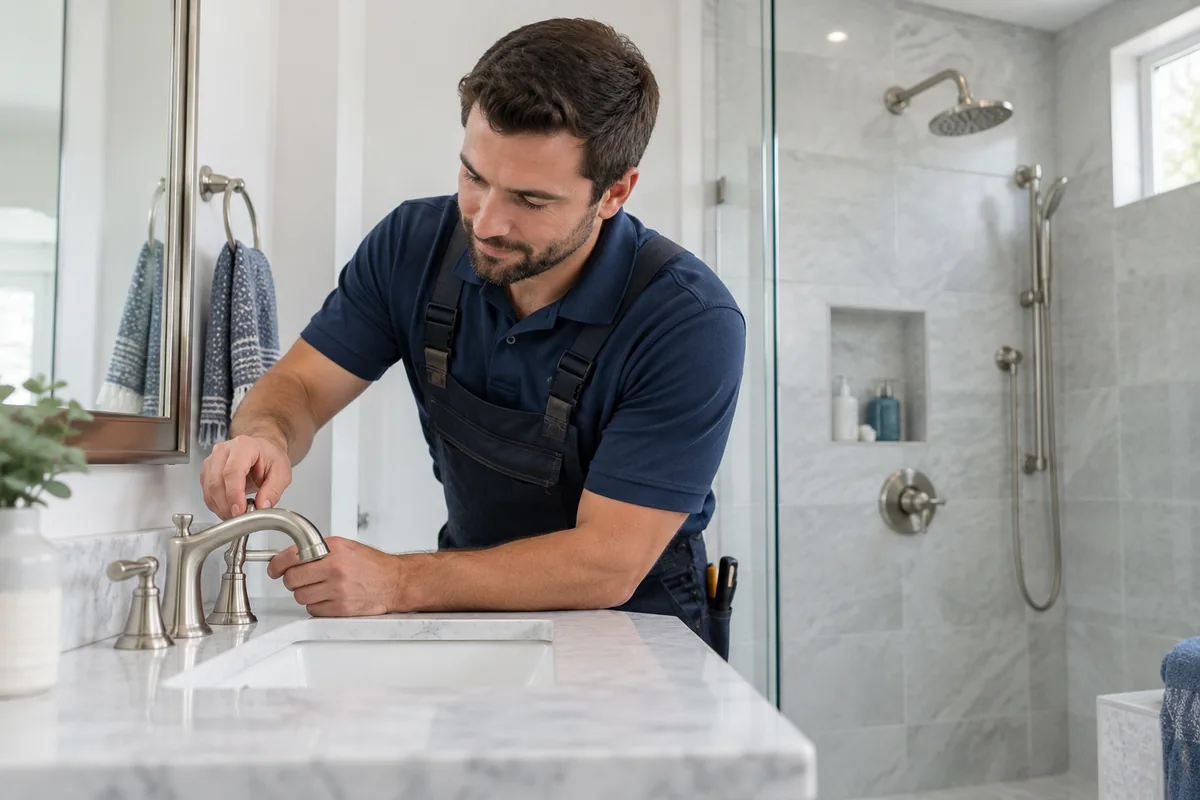
Shower changes need a look behind the finish
Visible shower trim often depends on a specific concealed valve assembly. A new handle or decorative plate may not fit the existing component behind the wall. If the valve itself needs replacement, the project may involve access and restoration beyond changing visible hardware. Confirm the assembly before choosing trim solely by appearance.
Our shower and tub plumbing page explains the distinction between fixture performance, valve work, and drainage. If you want additional shower outlets or a different arrangement, discuss the demand and connections too. A more elaborate setup needs a plan for how the plumbing will support it.
Keep the plumbing scope visible
Ask which existing valves, supply connectors, and drain connections can remain and which need attention. An upgrade can reveal worn parts that were hidden behind the old fixture. That possibility should be discussed without assuming every concealed component will need replacement. The findings should guide any added work.
Address actual performance concerns
If the whole bathroom has weak flow or changing delivery, water pressure assessment may be appropriate before selecting new fixtures as the solution. A new faucet can improve design and operation, but it cannot be promised to resolve a system-wide issue that has not been diagnosed.
Distinguish plumbing from finish work
Countertop changes, tile restoration, painting, and cabinetry may sit outside the plumbing scope. Clarify who coordinates each part and when it needs to occur. A fixture installation can depend on another trade's work, so a simple sequence helps prevent the bathroom from becoming a waiting room for unfinished tasks.
Plan the order of decisions
Begin with the room layout and the fixtures that affect connections. Confirm product specifications and compatibility before final purchases. Then review installation access and any associated repair work. Decorative choices are easier to enjoy when the practical foundation is settled rather than still being negotiated beneath the vanity.
- Identify the fixtures being changed and the reason for each change.
- Confirm dimensions, connection compatibility, and any concealed-component requirements.
- Agree on the plumbing scope and separate restoration responsibilities.
- Coordinate delivery, installation, and any water-use restrictions for the household.
You do not need a giant renovation binder for a few fixtures. A concise list of selected models and responsibilities can be enough to keep the work organized. The point is to make the decisions visible before the bathroom is partially dismantled.
Choose a realistic scale for the project
A small upgrade can remain small when the existing plumbing supports it. If inspection reveals a larger issue, ask how it affects the plan and which work is essential for the chosen fixtures. Optional improvements should remain recognizable as choices rather than quietly becoming part of an expanding default scope.
Can the work be staged?
Sometimes fixtures can be changed in a sequence that preserves part of the room's use. In other situations, shared access or related work makes a combined approach more practical. Ask what is realistic for your home, especially if this is the only bathroom or the household has specific daily-care needs.
Finish with operation and care
Review how the new fixtures operate, what was checked, and which care instructions apply to the finishes and components. Keep product details and warranty documents together. A bathroom upgrade should end with usable fixtures and a clear handover, not a pile of unidentified spare parts in the cabinet.
For your Pinecrest project, share the room, the fixtures you want to change, and the frustrations you want to solve. Then build the scope around those goals. A thoughtful update can make an ordinary bathroom feel easier to live with every day, without turning every small improvement into a complete redesign.
Plan a bathroom that works for your routine
Tell Pinecrest FL Plumbing what is happening at your property. Share the details and ask about current service availability.
Request service information