
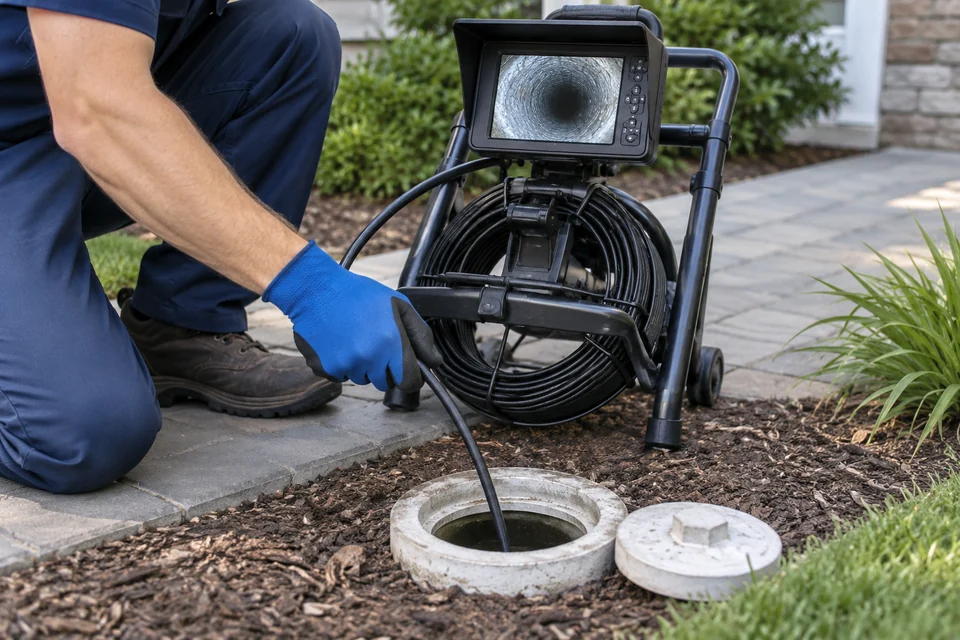
You cannot ask a buried sewer pipe to explain itself, but sometimes you can send a camera in for a look. For a homeowner dealing with recurring backups, that can be a welcome change from guessing. The footage is useful when it answers a specific question and is explained in the context of the line's condition and the symptoms you have noticed.
Sewer camera inspection in Pinecrest involves viewing accessible portions of a drain or sewer line with suitable inspection equipment. It may help identify certain visible obstructions or defects. It does not make every concealed condition visible, and it should not be presented as an automatic complete assessment of every inch of the system.
Know why the inspection is being proposed
Recurring backups, unexplained drainage problems, or the need to understand a previously identified concern can each justify a different inspection objective. Ask which question the camera is intended to answer. “See what is going on” is a start, but “investigate the section associated with repeated bathroom backups” is a clearer purpose.
If several fixtures drain poorly, our sewer line cleaning page explains how that symptom pattern can guide the assessment. A camera may be one part of the process. The route and condition determine whether inspection, clearing, or another step needs to happen first.
Access and visibility affect the findings
The available entry point influences which sections can be reached. Obstructions, standing wastewater, bends, and other conditions may limit the view or the distance traveled. Ask which route was inspected and where the inspection ended. A useful result includes the boundaries of the work, not just the most interesting image from it.
Sometimes cleaning comes first
Material blocking the line may prevent a meaningful view. In other cases, an initial inspection may help choose an appropriate cleaning approach. The sequence should follow the conditions encountered. If hydro-jetting is suggested, ask how the available findings support its suitability and whether another look is recommended afterward.
An image needs context
A visible feature can be important, but the interpretation should consider location, symptoms, and the rest of the accessible line. Ask the person reviewing the footage to explain what is visible and which conclusions it supports. You should not have to decide whether an unfamiliar shape on a screen means a minor concern or a major project.
What to ask about the recording
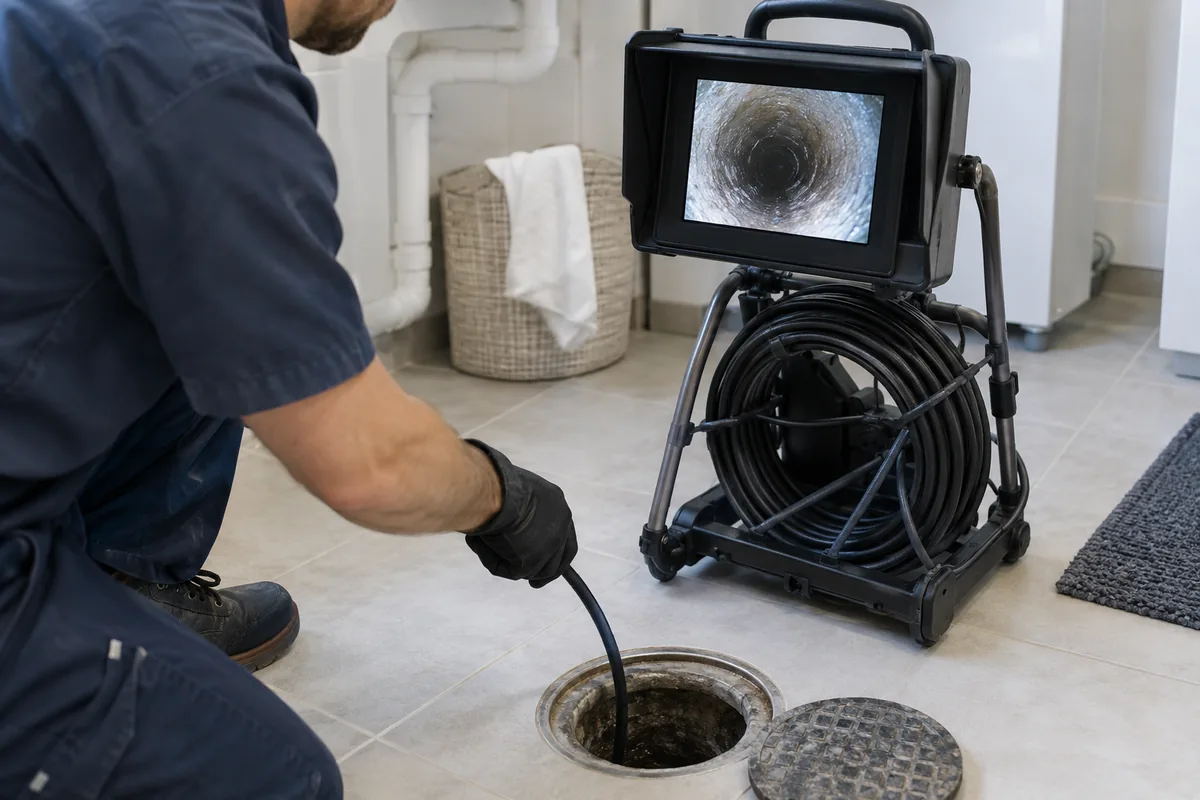
Find out whether a recording, photographs, or written summary is included. Ask how any identified area is located or referenced and whether additional locating work would be needed before repair. The goal is a record useful for the next decision, especially if another professional will review the findings or carry out restoration.
Separate observations from recommendations
“This section shows a visible defect” and “this entire route should be replaced” are different statements. The recommendation should explain how the observation leads to the proposed scope. Ask about alternatives and any uncertainty. A camera can provide evidence; it does not eliminate the need for a reasoned repair decision.
Keep the uninspected areas in mind
If the camera could not reach a section, that area remains a limitation. A clear-looking accessible portion does not establish the condition of everything beyond it. Ask what additional information, if any, is needed. Honest limitations make the inspection more useful because they prevent the results from being stretched beyond what was actually seen.
How findings can shape the next step
Some findings may support cleaning and observation. Others may lead to a conversation about sewer line repair for a defined damaged area. More extensive concerns can require a broader comparison of options. The recommendation should reflect the actual findings, available access, and history of the problem.
If the inspection is part of a larger property project, share that context early. Planned landscaping, driveway work, or renovations may affect coordination, but they should not substitute for diagnosis. A convenient time to do work is useful only after the work itself has been properly defined.
Prepare the history, not the plumbing
Collect previous inspection reports and details of drain-clearing visits. Note which fixtures back up, how often, and under what conditions. Identify known access locations without removing caps. Clear a safe route to the work area and tell the person inspecting about any chemicals used in the drains.
For an established Pinecrest property, available plans and renovation details may help explain the current route. A remodeled interior does not necessarily mean the entire underground system was replaced. Describe what you know and what remains unknown rather than making assumptions from the age of the finishes.
Common questions about camera inspections
Will the inspection clear the blockage?
Inspection and cleaning are different tasks. The camera is intended to observe, and a separate clearing approach may be needed to restore flow. Clarify whether the proposed visit includes both and how limitations will be handled if the line cannot be viewed sufficiently in its current condition.
Can a camera find a hidden water-supply leak?
A sewer camera examines the inside of the accessible drain route where it is used. Investigating a concealed pressurized supply leak is a different service. Our water leak detection page explains that distinction and helps you choose a more appropriate starting point for unexplained moisture or water-use concerns.
What makes the inspection worthwhile?
A worthwhile inspection gives you a clearer understanding of the accessible line, its limitations, and the next question to resolve. Ask for that explanation in ordinary language. The useful outcome is not simply a video of the inside of a pipe. It is information that helps you make a sensible decision about your home's plumbing.
Get useful answers from the inspection
Tell Pinecrest FL Plumbing what is happening at your property. Share the details and ask about current service availability.
Request service information