One slow sink is annoying. A toilet, shower, and laundry drain all behaving badly at once feels like the house has called a meeting. When several fixtures are affected, the problem may involve a shared drain or sewer route rather than each fixture independently. The assessment needs to follow that broader pattern.
Sewer line cleaning in Pinecrest focuses on addressing restrictions in the relevant shared line using an approach suited to its condition and access. The first objective may be restoring drainage, but the findings should also help explain whether cleaning has addressed the cause or whether another issue remains.
Describe the fixtures that are involved
List which drains are backing up or draining slowly and where they sit in the home. Mention whether one fixture causes water movement in another. The timing matters too: a problem during laundry may reveal a different pattern from a continuously blocked bathroom. Share observations already made rather than adding more water to reproduce an overflow.
If the most visible symptom is a toilet overflowing, our overflowing toilet guide explains why that fixture may not be the source. Stop using affected fixtures and keep people away from potentially contaminated water. A backed-up system needs assessment before ordinary water use is resumed.
Main-line trouble is not one diagnosis
Restrictions can involve accumulated material, an obstruction, or conditions associated with the pipe itself. Several causes can produce similar symptoms. The assessment should explain what is suspected and what supports that view. A recurring backup should not automatically be blamed on one familiar cause without investigating the actual route.
Repair history matters
Note when the line was last cleared, how long the improvement lasted, and whether an inspection identified anything specific. A drain that works briefly and then backs up again deserves that context. Keep previous findings available so the next visit can build on them instead of repeating the same assumptions.
One newly blocked fixture may still be local
Not every clog belongs to the sewer line. If only one fixture is affected, clogged drain cleaning may be the more relevant starting point. The distinction should be based on the symptoms and assessment, rather than choosing the broadest service category because the interruption is frustrating.

Match the cleaning method to the line
Available access, suspected material, pipe condition, and the affected distance all influence the approach. Ask which section is included and what the work is intended to accomplish. A clearing method that restores a path for water may serve a different purpose from more extensive cleaning of accumulated material.
For suitable lines, hydro-jetting may be considered. Other situations may call for different equipment or further investigation before that method is appropriate. The recommendation should explain why the proposed approach fits the line rather than treating one machine as a universal answer.
Access points need controlled handling
Tell the person assessing the problem where known cleanouts are located, but leave them closed. A backed-up line may contain wastewater that can escape when opened. Provide a safe route to the area and keep pets and household members away from the work space. Useful preparation does not require taking the plumbing apart.
Cleaning and inspection can work together
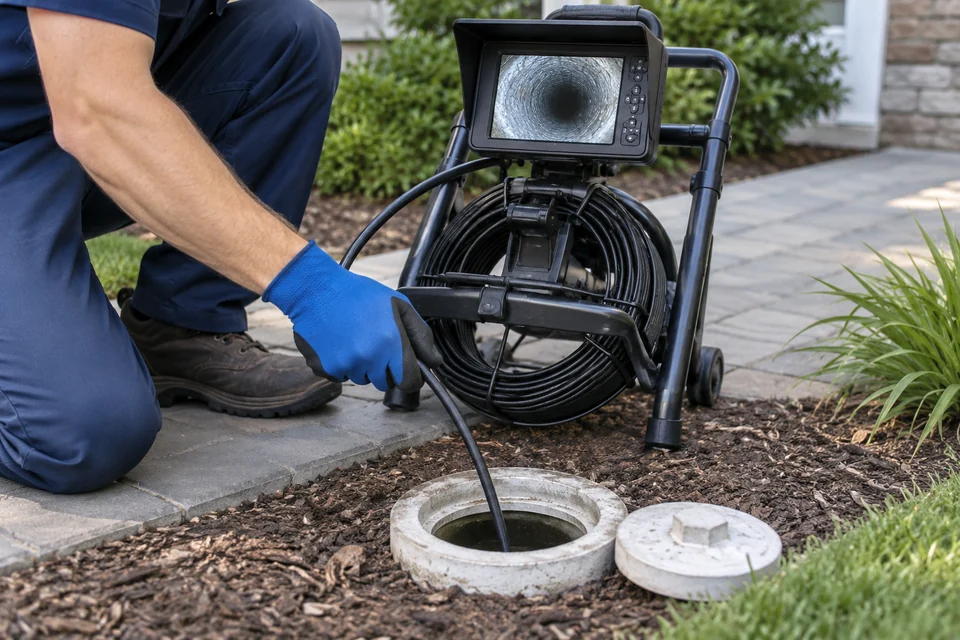
A sewer camera inspection may help review visible conditions when the line can be accessed and viewed. An obstruction can limit visibility, so the sequence of cleaning and inspection depends on the situation. Ask which questions can be answered before clearing and which may require a follow-up look.
If the findings show a structural concern, cleaning alone may not resolve it. Restoring flow can still be valuable, but the remaining issue should be explained. You should know whether the proposed result is a completed solution, an interim improvement, or a step toward defining a repair.
Understand the boundaries of the work
Ask for a description of the route being serviced and any limits in access. Confirm how the outcome will be checked and what findings will be shared. If additional work becomes necessary, ask how it will be discussed before the scope changes. Clear boundaries matter particularly when buried conditions cannot be fully established in advance.
Cleanup and restoration are separate questions
If wastewater has entered the home, the affected materials may need appropriate cleaning or restoration beyond the plumbing work. Clarify who handles that part of the recovery. Restored drainage is essential, but it does not automatically make an affected room ready for normal use again.
Prepare for the appointment
Have your property location, symptom history, and prior service information ready. Mention recent remodeling and known changes to the plumbing. Confirm which fixtures should remain unused and discuss any household need for bathroom access. A clear plan is particularly helpful when the whole property is affected rather than one room.
Do not add drain chemicals while waiting or conceal information about products already used. Keep a simple record of when the backup began and where water appeared. A few accurate facts are more useful than a long list of attempts that may complicate the work area.
After drainage is restored
Ask what was found and what habits or maintenance are appropriate for that finding. If a defect remains under discussion, keep that follow-up separate from everyday prevention advice. Sensible disposal habits cannot rebuild a damaged section of pipe, and a repair should not be postponed indefinitely because the line is temporarily draining.
For a Pinecrest sewer line cleaning request, describe the shared pattern first. Which fixtures are affected, when do they react, and has the problem happened before? Those details give the assessment a direction and help move the household from a collection of unhappy drains to one understandable plan.
Let's look beyond the backed-up fixture
Tell Pinecrest FL Plumbing what is happening at your property. Share the details and ask about current service availability.
Request service information