
You turn the handle, wait, and negotiate with the shower. Surely warm water is coming. Surely. A water heater problem can interrupt the morning quickly, but a cold shower does not identify the failed part. The issue may involve the heater, the hot-water distribution, or the fixture where you noticed the change.
Water heater repair in Pinecrest begins with the symptoms and the equipment actually installed. A conventional tank, a heat-pump model, and a tankless unit have different components and service needs. The goal is to establish what is wrong, whether a repair is appropriate, and what the proposed work would restore.
Tell the story of the missing hot water
Explain whether the change happened suddenly or developed gradually. Is there no hot water anywhere, or does it run out sooner than before? Does the temperature fluctuate at one shower while the kitchen seems normal? The answers help distinguish a whole-system issue from a problem closer to an individual fixture.
One shower does not speak for the whole house
If a single bathroom behaves differently, a valve or fixture issue may deserve attention. Our shower and tub plumbing page describes those local concerns. Mention what you have already observed at other taps, but avoid repeated temperature experiments if water is unexpectedly very hot or the equipment appears unsafe.
Sounds and displays are clues, not diagnoses
Record any displayed error message or unfamiliar sound without removing covers. Share the make, model, and approximate installation date if available. A photo of an accessible label is often useful. You do not need to interpret a code yourself; the precise wording or number is more helpful than a guess about what it means.
Leaking equipment needs a separate assessment
Water near the heater may come from a connection, a nearby line, or the equipment itself. The location of the puddle does not establish which component failed. Explain whether water is actively appearing and whether you can see an accessible source. Keep away from wet electrical equipment, hot discharge, or other unsafe conditions.
If a supply connection is leaking, the active water leaks guide may help you describe the timing and extent. Do not plug a relief discharge, bypass a safety device, or keep resetting equipment to force operation. The repair assessment should establish why the equipment is not behaving normally before it is returned to use.
What a repair decision should consider
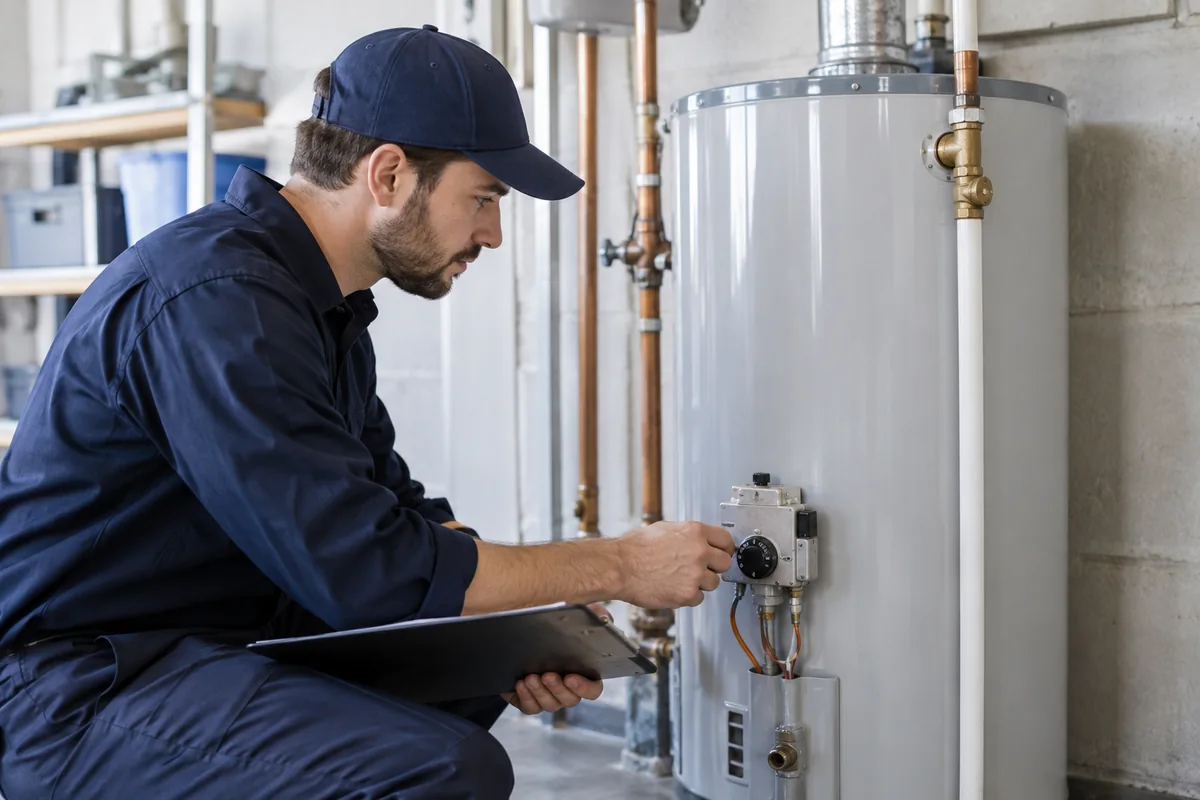
An assessment should identify the failed component, the condition of the rest of the equipment, and whether suitable parts are available. A repairable control problem is different from a deteriorated tank or a system with several unresolved faults. Ask what the findings show and what the proposed repair is expected to accomplish.
Age is context, not the entire answer
The installation date is useful, but age alone does not tell you the condition of every component. Service history, visible condition, and the nature of the fault matter too. A clear recommendation should explain those factors rather than rely on a birthday as the only reason to keep or replace the unit.
Compare the complete options
If replacement is recommended, ask how it differs from the repair in scope, disruption, and suitability for your household. Our water heater replacement page covers the planning side. You should understand whether the choice is about a specific failure, wider deterioration, changing hot-water needs, or a combination of those factors.
A repair should fit your household's use
Sometimes equipment is functioning but the demand has changed. Another bathroom, a different bathing routine, or more people using hot water at the same time can affect the experience. Describe those changes. The conversation may need to distinguish an actual fault from a system that no longer suits the way the home is used.
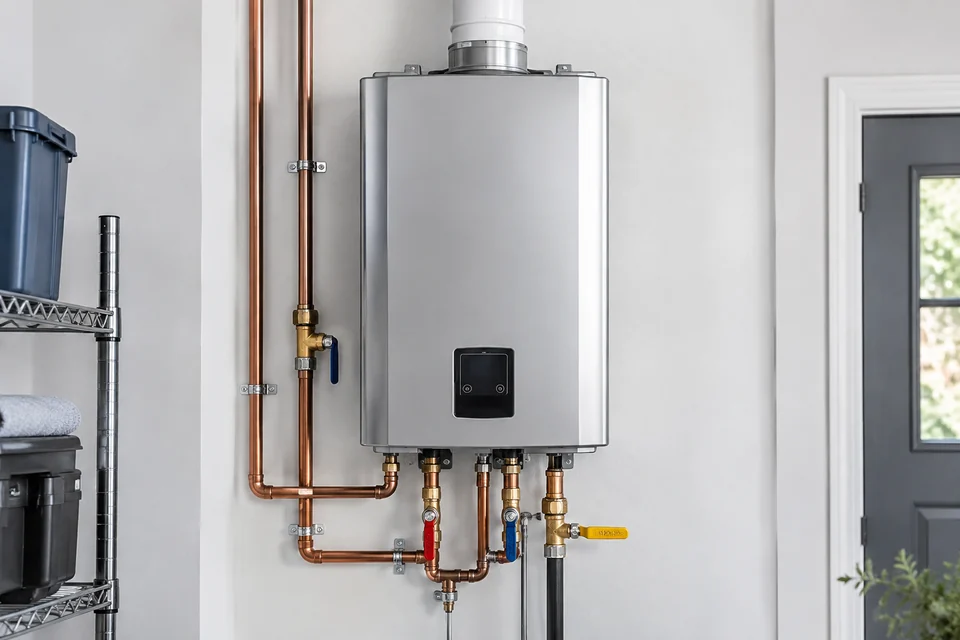
If you are considering a different type of heater, tankless water heaters have their own sizing and installation considerations. A repair visit should not automatically become a conversion project, but it can provide useful information for a later decision. Keep the immediate fault and the future upgrade clearly separated.
Prepare useful information before the appointment
- Have the equipment type, brand, and model available if the label is safely accessible.
- Describe which fixtures are affected and whether the problem is constant or intermittent.
- Mention leaks, displayed messages, unusual sounds, and recent work on the plumbing.
- Share prior service records and any changes in the household's hot-water demand.
Clear a safe path to the equipment and avoid storing items against it. Ask whether the unit should remain unused while awaiting assessment and how any water interruption will be handled. Instructions should be specific to the situation and equipment; a generic online reset sequence is not an appropriate substitute.
Questions to settle before the work is complete
What was repaired and how was it checked?
Ask for a plain explanation of the replaced or serviced component and the checks used to evaluate operation. Mention the original conditions that caused the problem, particularly if it appeared only at certain times. Understanding the result helps you recognize whether the same symptom returns later.
Is any follow-up needed?
Find out whether maintenance, another repair, or a broader assessment is recommended and why. Keep the service details with the equipment information. A modest record of previous work makes future decisions easier, especially when several people manage the property or a new owner inherits an unfamiliar installation.
How do I arrange Pinecrest service?
Start with your property location, the equipment details, and the effect on the household. Explain any active leakage or safety concerns and confirm availability directly. With the symptoms organized, the conversation can focus on an appropriate repair plan—and on returning the shower to something you choose, rather than something you endure.
Let's talk about getting your hot water back
Tell Pinecrest FL Plumbing what is happening at your property. Share the details and ask about current service availability.
Request service information