
When a sewer problem keeps returning, the household gets very good at recognizing the early signs. That familiar gurgle is no longer background noise; it is a warning that the day's plans may be changing. If an assessment identifies a damaged section, the next question is how to repair it appropriately rather than simply clearing the same symptom again.
Sewer line repair in Pinecrest focuses on defined defects in the drainage route. The scope depends on the location, extent, material, and condition of the affected line. A localized repair can be a different project from replacing a longer route, so the recommendation should explain why the selected boundary makes sense.
Start with the evidence for repair
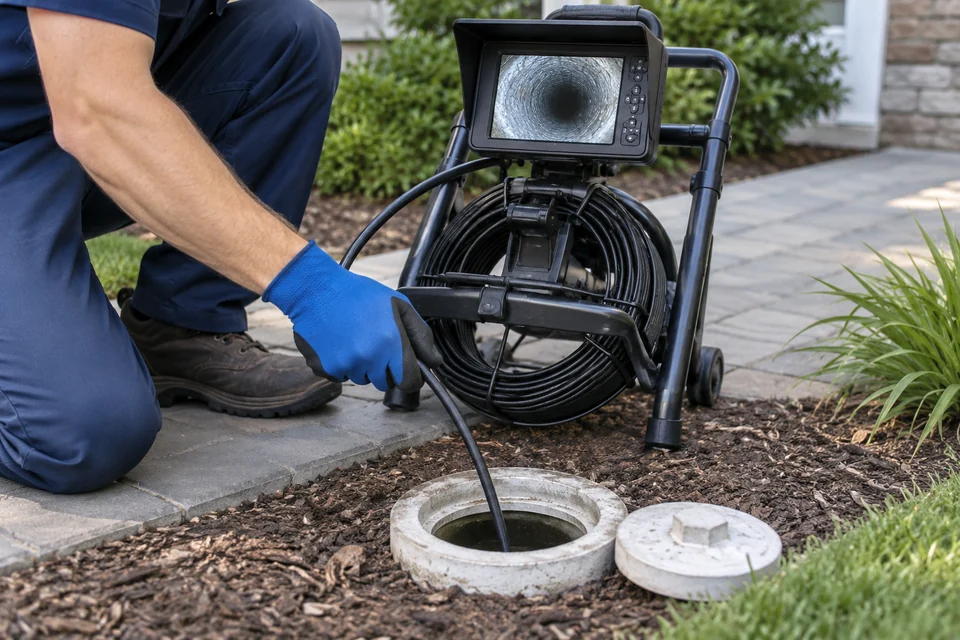
Ask what finding supports the recommendation. A sewer camera inspection may provide useful views of accessible internal conditions, but any limitations in visibility or reach should be explained. The assessment should connect the visible concern with the symptoms and identify what additional confirmation may be needed before work begins.
Know the difference between blockage and damage
An obstruction may be addressed through cleaning, while a structural defect needs a different response. The two can occur together. Ask whether the proposal addresses accumulated material, a damaged connection or section, or both. That distinction helps you understand why another cleaning visit may not be sufficient.
The rest of the line matters
A repair needs suitable existing pipe to connect to. Ask what is known about the adjacent sections and whether the assessment suggests a limited defect or a wider condition. A localized approach should be chosen because it fits the findings, not merely because it creates the smallest visible opening.
Location changes the practical plan
A line beneath an accessible yard area presents different access questions from one below a driveway, patio, or interior finish. Depth and nearby features can also affect the work. The proposal should identify the expected location and explain how access will be established safely for the project.
Ask about surface restoration early
Plumbing repair and restoring the surface above it may be handled separately. Clarify what happens to paving, landscaping, flooring, or other affected finishes. A repaired pipe is the central objective, but the household also needs a clear picture of how the work area will be left and what follow-up is required.
Compare approaches without choosing from a slogan
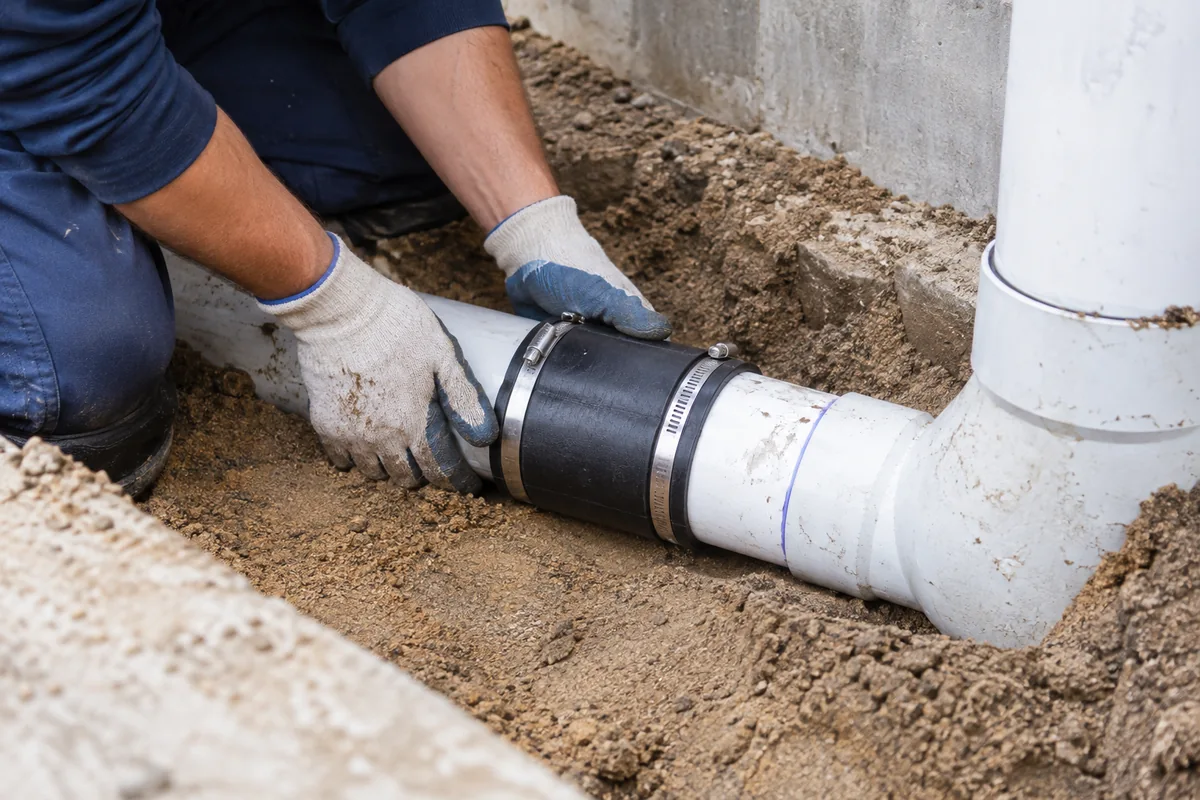
The suitable repair method depends on the actual pipe and site conditions. If an option involving limited excavation or a specialized technique is proposed, ask how the line qualifies and what limitations apply. Avoid assuming any method is available for every defect simply because it sounds less disruptive.
Ask what the proposed repair includes
The scope should describe the affected section, connections, access, and checks of the completed work. It should also identify any assumptions about concealed conditions. When those conditions can change the plan, ask how new findings will be presented before additional work is authorized.
Understand why replacement may be discussed
If damage extends beyond a suitable localized repair area, sewer line replacement may be a more relevant comparison. Ask what evidence supports that wider scope. A larger project should come with a clear explanation of the line's condition and the limitations of a smaller repair.
Coordinate the work with daily life
Drainage repairs can affect which fixtures may be used during the work. Ask what restrictions are expected and how the household will be informed when normal use can resume. If there is only one bathroom or the property is occupied throughout the day, discuss those constraints in advance.
Provide safe access to the work area and make arrangements for pets, gates, and parked vehicles where relevant. Do not dig to locate the pipe yourself or open access points on a backed-up system. The useful preparation is to share known locations and records so the project can be planned properly.
Repair and emergency control are different stages
If wastewater is actively backing up into the home, address the immediate situation when arranging service. Our urgent plumbing repairs page explains how to communicate the current impact and confirm availability. The permanent repair plan may follow an initial step that controls the immediate interruption.
Ask whether any temporary measure changes what can safely remain in use. A brief return of drainage should not obscure a known defect that still needs attention. Keep the immediate action and the permanent work documented so everyone understands which stage has been completed.
What to review before closing the project
Discuss the checks used to evaluate the repaired section and the requirements applicable to the work. Ask which records will be provided, including the completed scope and any useful images or inspection information. The installer should address relevant project requirements with the appropriate authority rather than leave them as an unexplained assumption.
Keep a record of where the repair is
Future maintenance becomes easier when the location and scope are documented. Save the information with your property records. A clean surface after restoration can make a buried repair almost impossible to identify later, so a simple record has value long after the disruption is forgotten.
Separate remaining issues from prevention advice
If another part of the system still needs evaluation, have that identified clearly. General advice about what belongs in drains does not replace a plan for a known defect. Similarly, if a separate kitchen drain problem remains, it should not automatically be treated as proof that the sewer repair failed.
Make the Pinecrest inquiry specific
Share the recurring symptoms, prior inspection findings, and known access information. Explain whether the line is currently draining and whether wastewater has entered the home. Those details help establish both the immediate needs and the longer repair discussion. The goal is a repair with a supported scope, a realistic sequence, and a clear explanation of what your household can expect afterward.
Build the repair around the findings
Tell Pinecrest FL Plumbing what is happening at your property. Share the details and ask about current service availability.
Request service information