
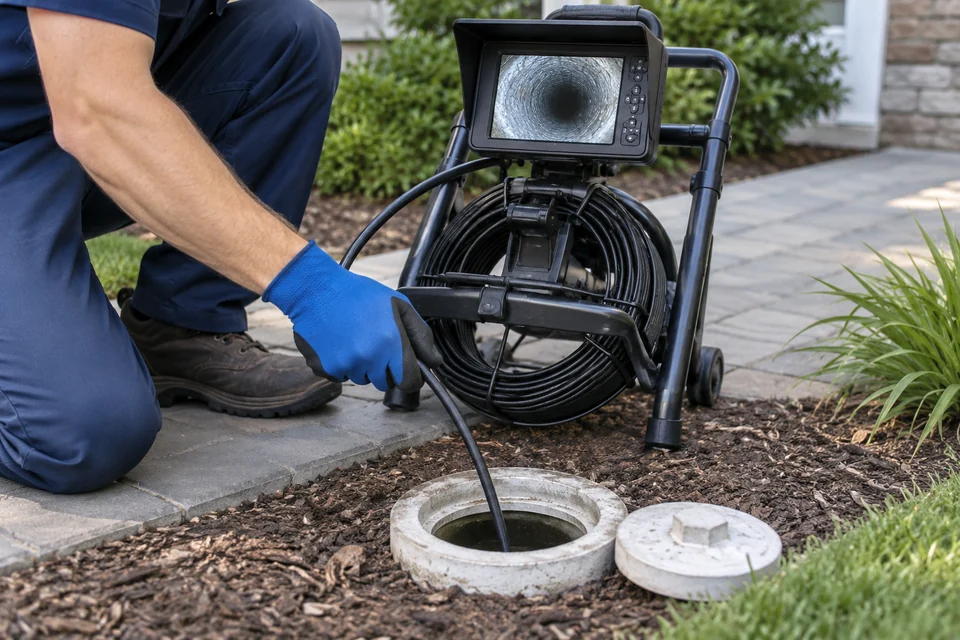
A sewer line is easy to ignore when it works. It is underground, out of sight, and not especially photogenic at a dinner party. When extensive damage makes replacement worth considering, that quiet part of the property suddenly becomes a major planning topic. The decision deserves evidence and a complete scope, not just the understandable desire to end repeated backups.
Sewer line replacement in Pinecrest involves evaluating the affected route, selecting an appropriate installation approach, coordinating access, and planning restoration. The project should be explained as a sequence the homeowner can follow. Knowing why the work is needed is the first step; knowing what happens to the property along the way is just as important.
Establish why replacement is recommended
Ask which findings support replacing a longer section rather than carrying out a localized repair. The extent and condition of the line matter. A visible concern in one location does not automatically establish the condition of the entire route, so any limitations in the assessment should be made clear.
Our sewer line repair guide helps distinguish a focused defect from a broader project. Compare the options on the basis of findings, access, and the expected result. Replacement should be recommended because the scope fits the problem, not because a larger project sounds more definitive.
Bring the full service history
Repeated clearing visits, previous camera findings, and earlier repairs can help explain the pattern. Gather whatever records are available and note which symptoms kept returning. The history should inform the recommendation without substituting for current assessment. A decade-old report may be useful context, but the present condition still needs consideration.
Define the exact route and endpoints
Ask where the replacement begins and ends, which branches or connections are included, and which existing sections will remain. A phrase such as “replace the sewer” can conceal important differences in scope. The written plan should make the project boundary understandable without requiring you to trace the buried pipe yourself.
Know what lies within the project area
Driveways, patios, landscaping, building access, and other utilities can influence the work. The planning process should address appropriate locating and coordination before excavation or other invasive work. Do not begin digging to help establish the route. Sharing available plans and known access points is a safer and more useful contribution.
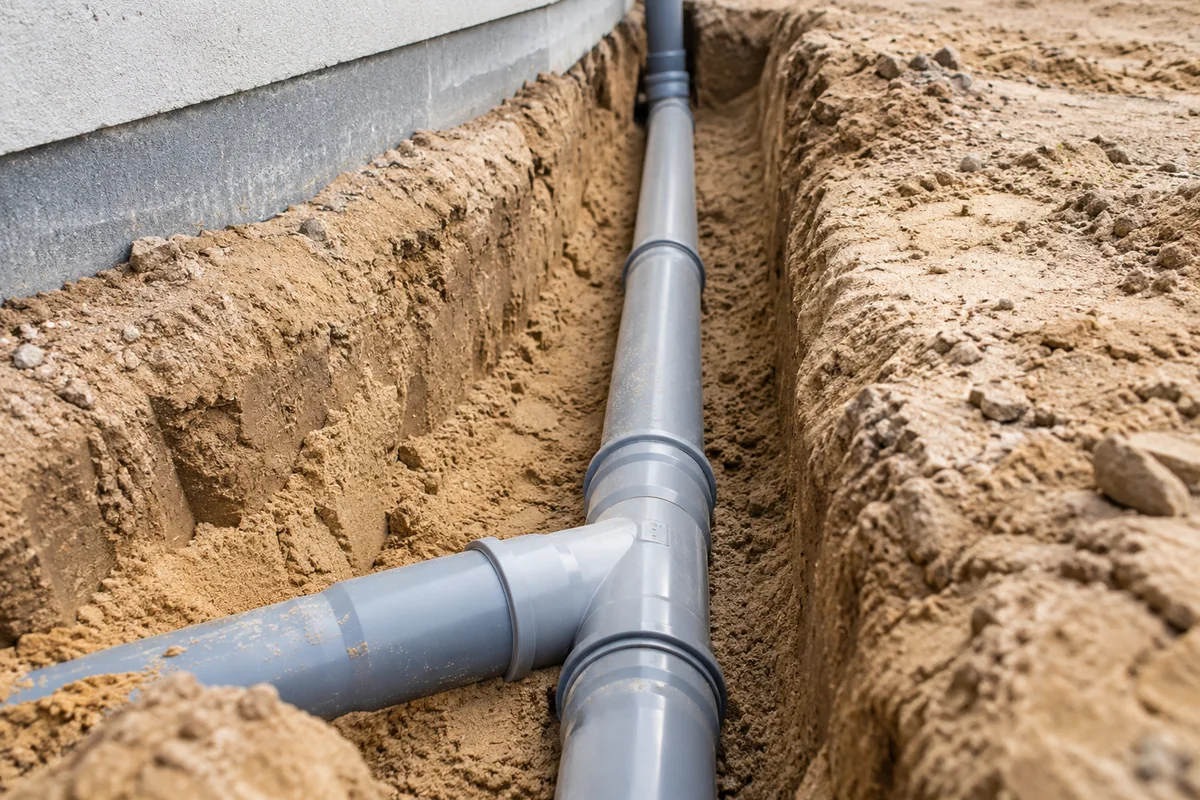
Evaluate the installation method for your property
Different conditions can support different replacement approaches. Ask why the proposed method suits the pipe route, surrounding conditions, and required connections. If a specialized or limited-excavation option is offered, request an explanation of suitability and limitations. A technique should be selected for the project rather than used as a promise that every surface will remain untouched.
Ask what concealed findings could change
Existing routing, connection details, or pipe condition may differ from expectations once access is obtained. Clarify how such findings will be documented and discussed before the scope changes. An understandable process for handling uncertainty is more valuable than an unrealistically absolute prediction about everything underground.
Keep cleaning and replacement distinct
Sewer line cleaning can address certain restrictions, but it does not install a new pipe or correct every structural condition. If cleaning is part of preparation or temporary control, have that role explained. You should know which step is intended to restore short-term drainage and which completes the replacement objective.
Plan the impact on household routines
Ask which fixtures will be unavailable and how water-use restrictions will be communicated. A sewer project may affect the whole home's ability to discharge wastewater, so the household needs practical arrangements. Discuss occupancy, bathroom access, and any daily-care requirements before scheduling the work.
Work routes matter above ground, too
Clarify access for equipment, temporary work areas, and any restrictions involving gates or parking. Arrange pets and protect belongings according to the agreed plan. Pinecrest homes can have very different site layouts, so the project should reflect the actual property rather than a generic description of how sewer work usually looks.
Put restoration in the written scope
The finished pipe is only part of returning the property to everyday use. Ask which excavation backfill, paving, landscaping, or interior repairs are included and which require separate coordination. Discuss limitations in matching existing finishes. A clear division of responsibility prevents the awkward moment when everyone agrees the plumbing is done but nobody owns the remaining surface work.
If the property also has a separate supply-line project, keep that scope clear. Whole-house repiping concerns water delivery to fixtures and is distinct from replacing a sewer route. Coordinating work can be sensible when justified, but one project should not be assumed to include the other.
Documentation and checks belong in the plan
Ask how the completed installation will be checked and which project-specific inspections or approvals apply. The installer should confirm requirements with the relevant authority. Retain the equipment or material information, completed scope, and any records useful for future property work. The documentation should explain what was installed and where.
Review the handover before normal use resumes
Confirm when fixtures can be used and whether any follow-up remains. If surface restoration occurs later, understand how the area should be treated in the meantime. A staged finish can be manageable when the sequence is clear; it becomes frustrating when each next step is discovered separately.
Questions to bring to the consultation
Ask why replacement is preferred, which route is included, what alternatives were considered, and what could change after access. Add questions about household use, restoration, and documentation. If backups are currently active, explain that immediately and discuss urgent plumbing assistance as a separate immediate need.
For your Pinecrest replacement inquiry, start with the findings and the practical limits of the property. The goal is to move from a large, worrying label to a defined project: what is being replaced, why it is appropriate, and how each stage gets the home back to normal.
Turn a big project into a clear sequence
Tell Pinecrest FL Plumbing what is happening at your property. Share the details and ask about current service availability.
Request service information