
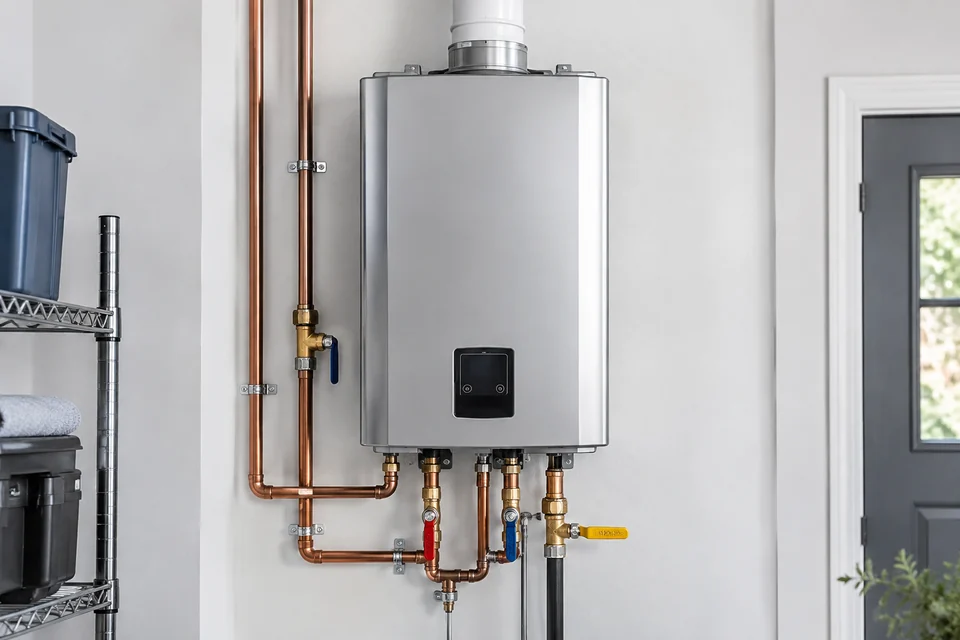
Your water heater does not usually ask for attention. It stays in its corner while the rest of the house receives fresh paint, new furniture, and occasional applause for a remodeled kitchen. That makes it easy to forget until performance changes. Maintenance is a chance to understand the equipment before an unexpected problem takes over the schedule.
Water heater maintenance in Pinecrest should be based on the specific unit, its installation, and its service history. Different equipment types have different needs. A useful plan does not begin with a universal promise or an automatic procedure for every heater. It begins with the manufacturer's guidance and the condition of the equipment in front of you.
Identify what you have
Keep the make, model, serial number, installation date if known, and available manual together. A conventional storage heater, a heat-pump unit, and tankless equipment should not be treated as interchangeable. Product identification helps establish appropriate tasks, suitable parts, and any relevant warranty conditions. It also makes future repair conversations much easier.
If you inherited the heater when buying the home, say which details are unknown. Missing records are common and do not need to be replaced with guesses. Photograph an accessible label safely and gather whatever installation or service information came with the property. A clear starting record is useful even when it begins today.
Separate maintenance from a developing fault
A service appointment should include the concerns you have noticed, not just a request to perform routine care. Temperature changes, unusual sounds, visible moisture, or displayed messages may require diagnosis. Describe when the symptom occurs and whether it affects all fixtures. The maintenance plan may need to change once a fault is identified.
For equipment that has already stopped performing normally, see water heater repair. Maintenance and repair can overlap in a service conversation, but they are not the same objective. A routine task should not be presented as a guaranteed cure for an unexplained problem.
Bring the household pattern into the discussion
More simultaneous showers or a recent change in occupancy can affect perceived performance. Mention those changes so normal demand and equipment condition can be considered separately. Otherwise, a heater may be blamed for a routine that has changed around it. Your utility room cannot explain that the guest list doubled; you have to supply that part of the story.
Build the tasks around the actual model
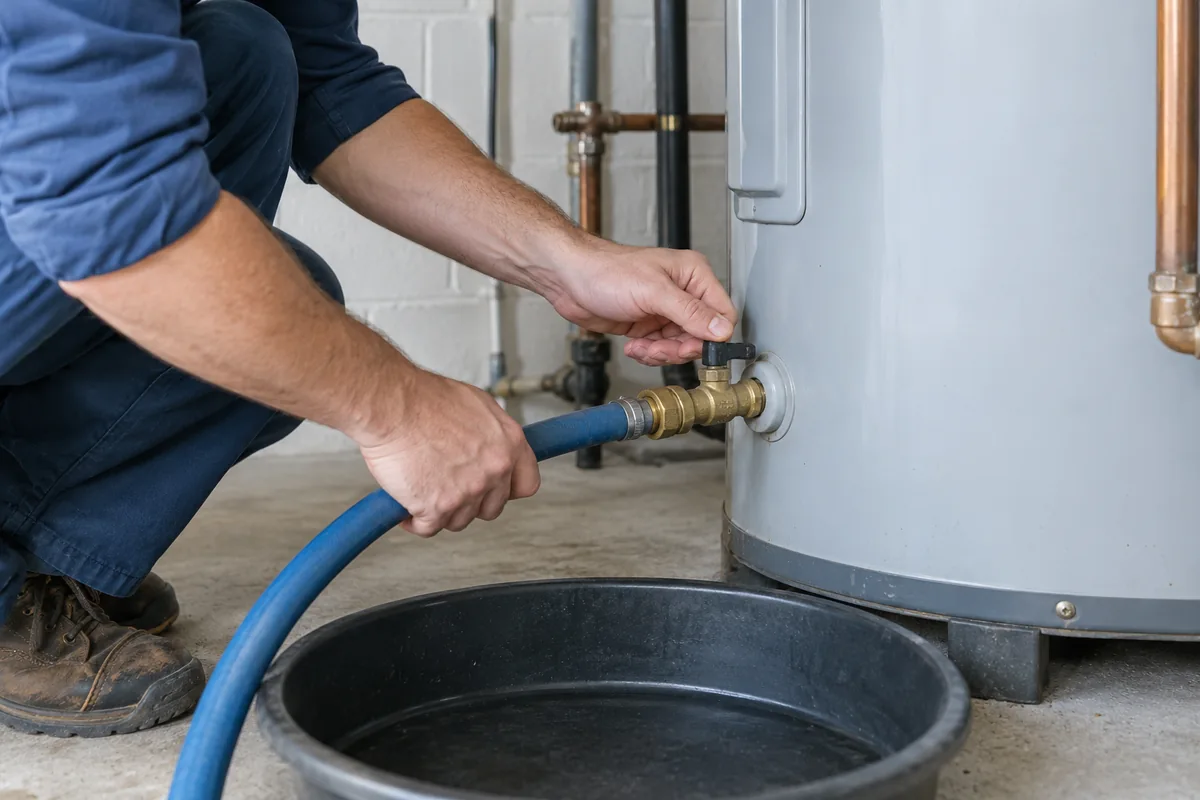
Ask which inspections and servicing are recommended for the installed equipment, and why. Access, water conditions, previous care, and manufacturer instructions can influence the plan. Some procedures involve hot water, electricity, fuel, or pressurized components, so they belong with an appropriately qualified professional rather than an improvised homeowner checklist.
A tank and a tankless unit need different conversations
An owner of tankless water heating equipment should ask about the care and service access required for that particular unit. A storage heater presents a different arrangement. Keep the recommendation tied to the equipment instead of applying a task simply because someone else's heater receives it.
Do not bypass a safety concern to finish the routine
If the assessment reveals a leaking component or another condition that makes normal operation questionable, ask how that finding changes the next step. Safety devices should not be plugged, bypassed, or altered to keep equipment running. A maintenance visit is useful partly because it can identify when a different response is needed.
Service access is part of ownership
Leave the equipment area accessible and follow the manufacturer's requirements for surrounding space. Avoid allowing storage to gradually bury valves, labels, or service connections. This is especially easy in a utility area that has become the household's overflow closet. A clear path can make both planned care and an unexpected repair less disruptive.
Ask where the relevant shutoffs are and what information should be provided if a problem develops. You do not need to become the home's water-heater technician. You do need to know how to describe the unit, keep away from unsafe conditions, and reach the appropriate help when something changes.
Record findings, not just appointment dates
A useful service record includes what was inspected, what was done, and any recommendations. If a component was replaced, retain that detail. If the professional noted a limitation or suggested further assessment, keep the explanation. A date marked “heater serviced” is better than nothing, but it tells the next person very little about the equipment's history.
Ask what to monitor afterward
Clarify which changes would justify contacting someone again. If the original concern was intermittent, describe what normal use should look like after the work. Do not assume that one quiet afternoon proves a recurring issue is resolved. The household's observations remain useful between appointments.
Water conditions deserve specific questions
If a treatment system is suggested as part of equipment care, ask which water characteristic it is intended to address. Testing and product suitability should guide that decision. Our whole-home filtration page explains why treatment goals need to be defined before equipment is chosen. Adding a filter without a clear purpose is not automatically a maintenance strategy.
Similarly, a broader water pressure concern should be assessed on its own merits if pressure-related symptoms are present. Maintenance is an opportunity to identify questions about the surrounding plumbing, but those questions still need evidence and an appropriate scope.
Know when to discuss replacement
Maintenance cannot guarantee that equipment will never fail or make every deteriorated component worth repairing. If replacement is recommended, ask which findings support it and what alternatives exist. The water heater replacement guide helps organize that comparison. A documented history can make the decision clearer than relying on age or appearance alone.
For your Pinecrest maintenance request, gather the equipment details, known service history, and any current symptoms. Ask for care suited to the actual installation and confirm what the appointment includes. The aim is a practical relationship with a hardworking appliance: enough attention to make informed decisions, without waiting for the shower to deliver the next surprise.
Give your water heater a sensible care plan
Tell Pinecrest FL Plumbing what is happening at your property. Share the details and ask about current service availability.
Request service information